Brinkley
Full Time RVing
Brinkley I-235
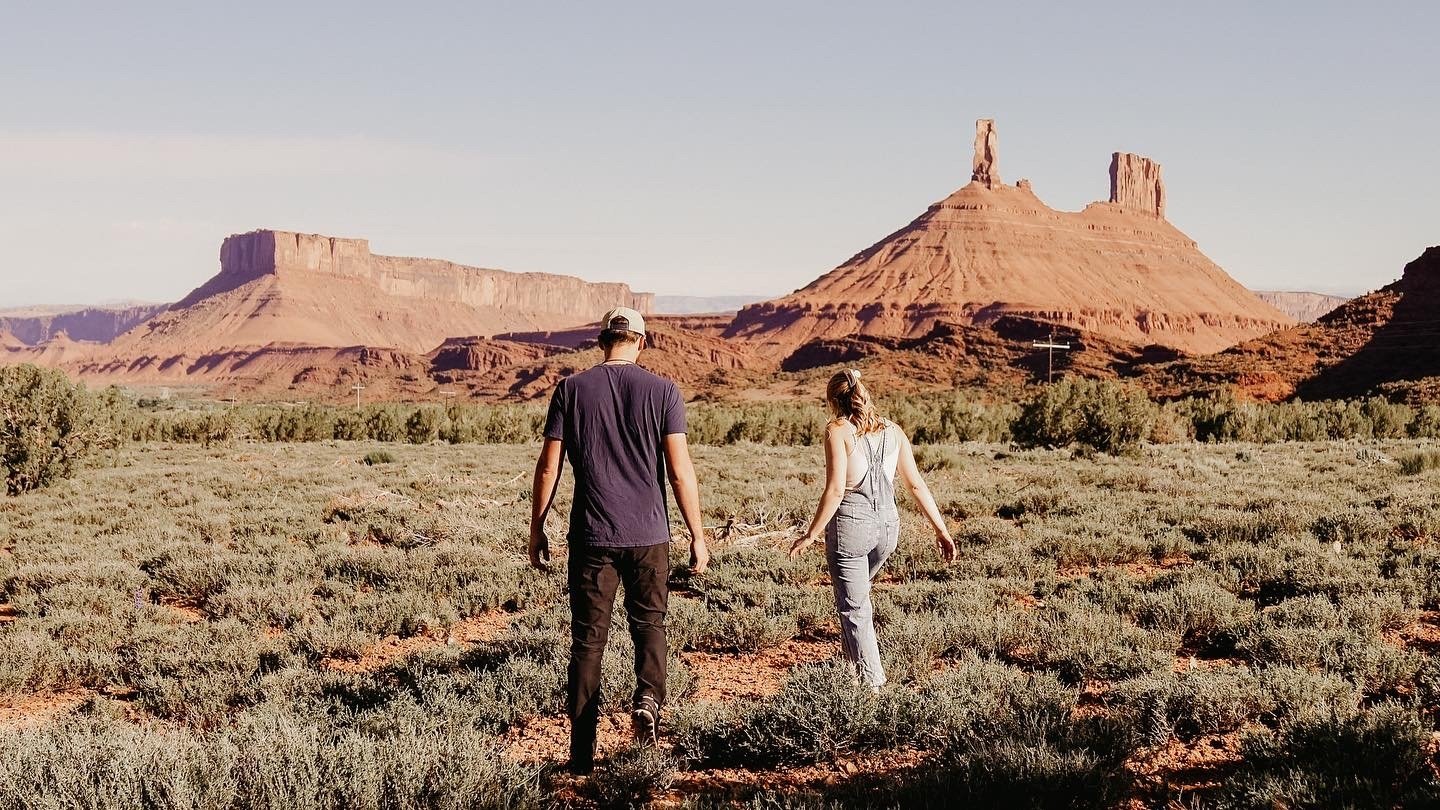
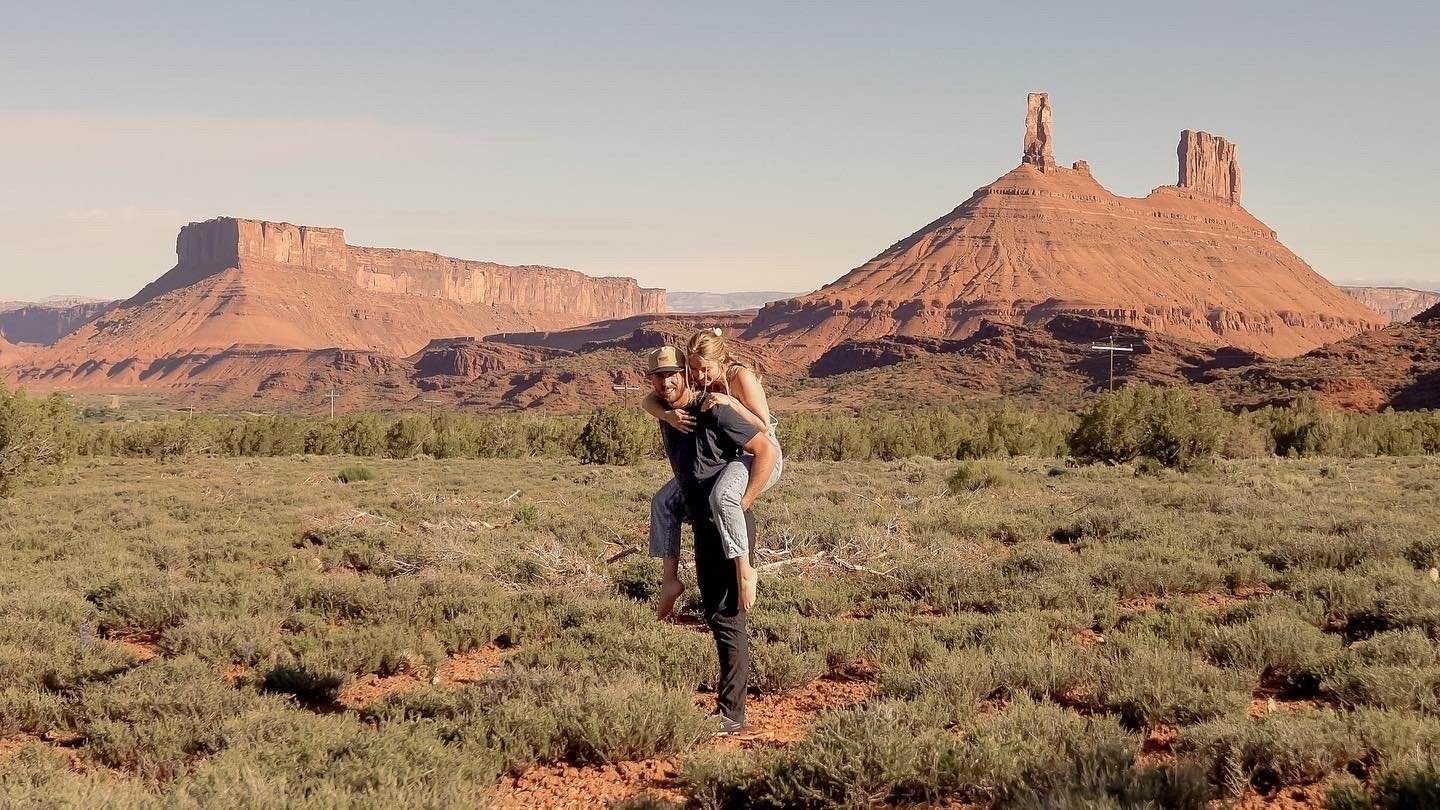
Embark on an unforgettable adventure as we share our 3-day journey, staying at the Moab RV Resort and exploring the breathtaking landscapes of Moab, Utah. Steal our itinerary
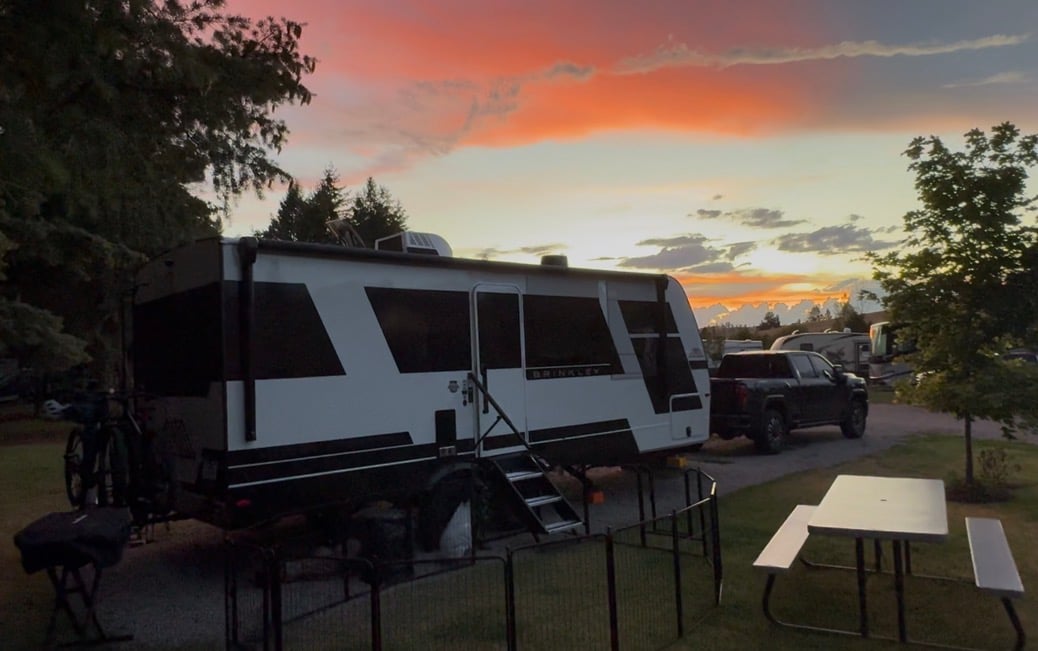
ur adventure began the moment we pulled into the Moab RV & Glamping Resort. As RV newbies, we were equal parts excited and nervous. When we arrived check-in was easy and we had a large pull through site which helped but some of our nervousness at ease. The Resort is nestled right off the main road and approximately 25 minutes Arches National Park enterance and 12 minutes downtown Moab, it felt like the perfect home base for our first trip with the Airstream. It's enough off the road that you don't get a large amount of noise and light pollution.
We had booked our stay at Moab RV & Glamping Resort through the app HipCamp. The resort in addition to the spacious RV sites, offers cabins, and glamping teepees for a unique stay. The amenities at this RV park included: spotless restrooms and showers, laundry facilities, a camp store stocked with essentials and snacks, large off leash dog area. One of our favorite features was the rooftop deck, complete with cozy electric fire pits, an ideal spot for stargazing under Moab’s dark desert skies. Moab has some of the best star gazing we've experienced and on certain occasions you can even view the Milky Way.
Setting up our Airstream for the first time took about an hour and a half. We’d watched countless videos to prepare and had stocked up on all the initial gear we thought we’d need (check out our gear guide for what we use).
We tackled setup step-by-step. First, we pulled into our site. Dan and I have a little system—he drives while I get out to guide him, making sure we’re clear of obstacles and positioned so the sewer, water, and electric hookups are within easy reach. Once parked, we check the level inside to see if we need to add leveling blocks under one side of the wheels. If we do, I place the blocks, and Dan either pulls or backs onto them. Once we’re level side-to-side, I chock the wheels.
Dan then handles unhitching from the truck, lowering the stabilizers, and setting up the sewer line, while I get started on the electric and water connections. It’s been a giant learning experience. For example, I initially put our water filter closest to the RV end of the hose, not realizing bacteria or microbes from city water could get into the hose. After chatting with other RVers and seeing different setups, we learned the filter should be connected closest to the water source to keep the hose clean. Now we know—and we’ll keep learning.
This trip also gave us our first “RV surprise” when we turned on the Dometic A/C and heard an awful clanging sound. After some investigating (and Googling), we discovered a loose screw from the drive that was bouncing around inside. Luckily, since we visited in early spring, we didn’t need the A/C, but we did run the furnace at night. That’s when we also learned it needed to be set to Auto to prevent the A/C fan from kicking on.
We waited until we got home to fix the A/C, since we needed a ladder to get on the roof. Once there, the repair was simple we put the screw back in and used red thread locker by Locktite to make sure it wouldn’t work its way out again. Lesson learned!


Our first full day was dedicated to exploring two of Utah’s most iconic destinations—Dead Horse Point State Park and Canyonlands National Park.
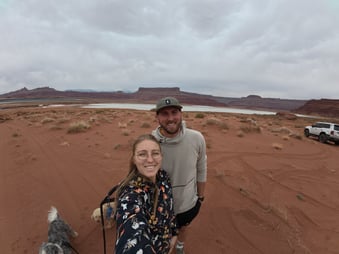
We began the morning at Dead Horse Point Overlook, taking time to hike both the East and West Rim Trails. These easy-to-moderate trails offer different perspectives of the same jaw-dropping view: sheer cliffs dropping 2,000 feet to the winding Colorado River below, with the layered red rock landscape stretching endlessly in every direction. From the overlook, you can also spot the bright blue solar evaporation ponds used for potash mining—a striking man-made contrast to the rugged natural scenery. The overlook also looks down upon Canyonland's white rim road which is where we headed to next. Entry to the state park is $20 per vehicle (valid for up to 8 passengers) and is good for two consecutive days, making it a great value if you want to return for sunrise or sunset views or do some of their many bike loops.
Dead Horse Point is also incredibly popular with e-bikers. The park has a network of designated singletrack trails like the Intrepid Trail System, which offers beginner to advanced routes with sweeping canyon views. E-bikes are allowed on these trails as long as they are Class 1 or Class 2, making them a fantastic way to cover more ground and take in the scenery without overexerting yourself at 6,000 feet of elevation. Rentals are available within the park.


After soaking in the views, we made our way into Canyonlands National Park for an off-road adventure along the White Rim Road to Potash Road, looping us back into Moab. This scenic drive took about three hours and was nothing short of spectacular, with sweeping vistas, towering rock formations, and winding sections that drop down into the canyons.
Tip: The White Rim to Potash route is not for the faint of heart. While parts are graded dirt road, there are steep switchbacks, narrow ledges, and sections with loose rock. A high-clearance 4x4 vehicle is a must, and it’s best to check trail conditions with the park rangers before heading out. Bring plenty of water, snacks, and make sure your gas tank is full—there are no services along the way.
Fun Facts:
Dead Horse Point State Park sits at an elevation of about 6,000 feet and offers one of the most photographed vistas in the American West.
Canyonlands National Park is the largest national park in Utah, covering 337,598 acres, and is divided into four districts: Island in the Sky, The Needles, The Maze, and the rivers themselves. The White Rim Road is a 100-mile loop through the Island in the Sky district, but we only tackled a portion connecting to Potash Road.
By the time we rolled back into Moab, dusty and grinning ear to ear, we knew this drive would be one of the highlights of our trip.
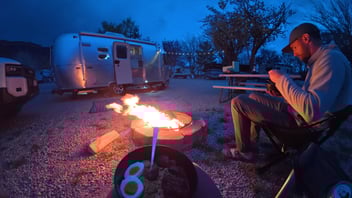
After a full day of exploring, we returned to the Moab RV & Glamping Resort ready to unwind. We set up our Eureka camp stove and cooked a simple but satisfying dinner, steaming bowls of ramen enjoyed under the open desert sky. The savory aroma mingled with the crisp evening air as a nearby campfire crackled, adding warmth and a cozy glow to the night.
When the last bit of sunlight faded, the real show began. Moab’s high desert skies are some of the clearest in the country, and without city lights, the stars seemed to multiply by the minute. From our campsite, and later from the resort’s rooftop deck with electric fire pits, we watched the Milky Way stretch across the horizon. It was quiet, peaceful, and a perfect reminder of why we love RV camping simple comforts, breathtaking views, and moments you can’t quite capture in a photo.
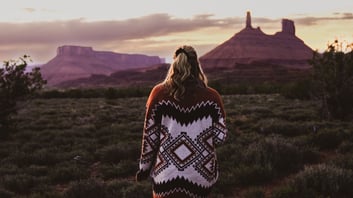

The next morning, we headed into downtown Moab for a day of good food, exploring, and dog-friendly fun. We kicked things off with a hearty breakfast and perfectly brewed coffee at Moab Garage Co., a local favorite with a cozy, modern vibe. Their menu is full of creative twists on breakfast classics, and the friendly staff made us feel right at home.
From there, we leashed up our dog and set out on the Grandstaff Trail, a dog-friendly hike just minutes from downtown. Located right off Utah State Route 128, a scenic byway that winds along the Colorado River, the trail is easy to access with a small parking lot at the trailhead. This out-and-back hike is about 4 miles round trip and is considered easy to moderate, making it a great option for a morning adventure. The path follows a creek through a stunning canyon, offering a mix of shady stretches, towering red rock walls, and lush greenery especially beautiful in spring and early summer. The highlight is reaching Morning Glory Natural Bridge, the sixth-longest natural rock span in the United States, stretching 243 feet across. The trail is named after William Grandstaff, a Black prospector and rancher who lived in the area in the late 1800s, giving it a touch of local history as well.


After the hike, it was crucial the pups got a bath to wash off all the red dirt (see photo above). Luckily there was a self-wash bath at a local pet shop called Moab Barkery. With our pup clean and happy. By lunchtime, we landed at Spitfire Smokehouse, where we tucked into plates of tender, smoky barbecue piled high with all the fixings. Another highlight from our trip was Doughbird, a downtown favorite serving up the unforgettable pairing of craft doughnuts and crispy fried chicken sandwiches, a combo that is incredibly delicious.
Walking through downtown, we couldn’t help but love the variety outdoor gear shops, art galleries, coffee houses, ice cream spots, and plenty of patios that welcome dogs. Moab’s downtown blends the energy of an adventure hub with the friendliness of a small community, making it the perfect place to spend a day in between hikes and off-road excursions.
On our final day, we set out to explore one of Utah’s crown jewels, Arches National Park. Home to more than 2,000 natural stone arches, along with countless pinnacles, spires, and balanced rocks, the park showcases the incredible power of wind, water, and time. Established as a national monument in 1929 and later designated a national park in 1971, Arches protects 76,519 acres of red rock desert within the Colorado Plateau.
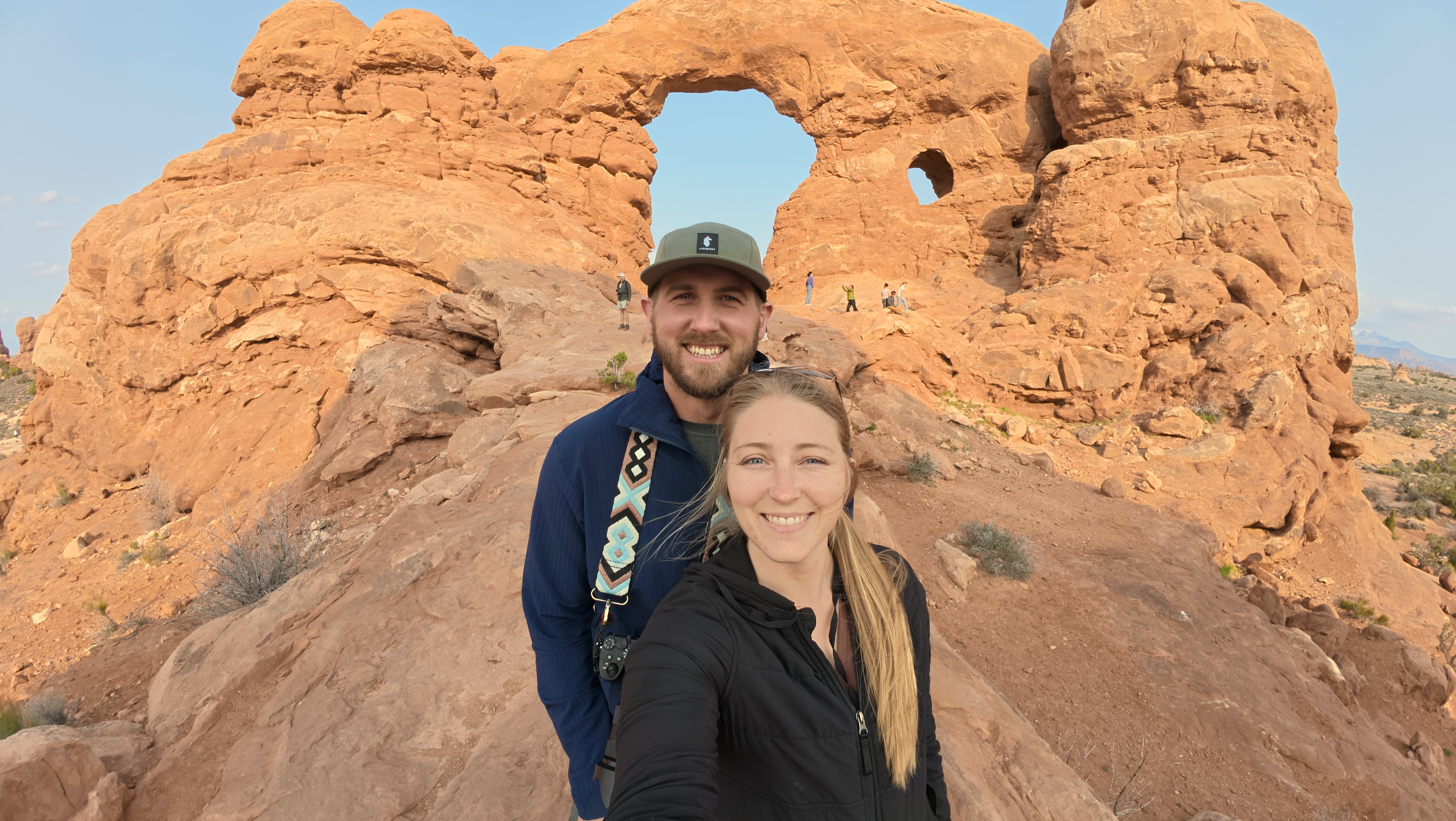
We planned our visit for late afternoon, knowing that the park’s colors truly come alive as the sun begins to set. Our main goal was the Windows Section, one of the most accessible and photogenic parts of the park. The short trails here lead to massive formations like the North and South Windows and the nearby Turret Arch all framed by sweeping views of the La Sal Mountains in the distance.
As the day wound down, we found a quiet spot and watched as the setting sun cast a golden-orange glow across the sandstone. The light seemed to deepen the red hues and bring out every curve and texture in the rock, making the arches appear almost luminous. No photo can truly capture it, you have to see it in person to feel its magic.
Fun Facts:
Many of the arches here formed over millions of years through the natural erosion of Entrada Sandstone.
The park’s most famous landmark, Delicate Arch, stands 52 feet tall and is featured on Utah’s license plates.
Arches National Park is recognized as an International Dark Sky Park, offering some of the best stargazing in the United States. On a clear night, you can see the Milky Way stretching brightly overhead.
We lingered until the last sliver of sunlight dipped below the horizon, the arches glowing faintly in the twilight. It was a magical and unforgettable scene. A perfect farewell to Moab and its extraordinary natural beauty.
